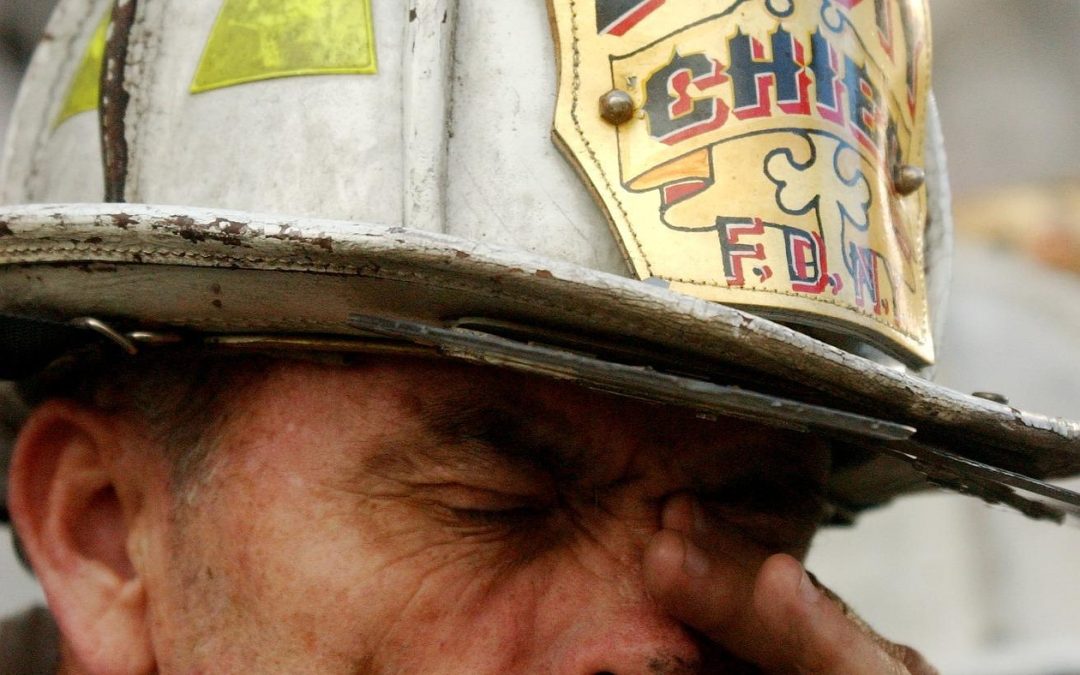
First responder culture is built on strength, service, and never being the one who needs help. But that same mindset can make it almost impossible to reach out when the weight gets too heavy. Here’s why a different approach matters.
There’s a phrase that gets used a lot in first responder circles: “We run toward the fire.” It’s true. It’s what makes you extraordinary at your job.
But here’s the thing nobody talks about: the fire doesn’t stay at work.
It follows you home in the form of a temper that flares over nothing. In the 3 a.m. jolt awake, heart pounding, replaying a call from six months ago. In the drink you pour just to turn the volume down. In the way you’re physically present with your family but mentally somewhere else entirely.
And the culture you work in — the one that keeps you sharp and reliable under pressure — is the same culture that says asking for help is weakness. That you should be able to handle it. That if you can’t, maybe you’re not cut out for this.
That’s not strength. That’s a system that’s set up to break you.
First responders need something different. Not because there’s anything wrong with traditional support systems — but because those systems often weren’t built with you in mind.
Trauma-informed coaching for first responders understands a few things that a standard approach might miss:
- Your trauma is cumulative, not one event. It’s not one bad call. It’s hundreds of them stacked on top of each other over years.
- Your coping mechanisms were survival tools. The hypervigilance, the emotional shutdown, even the dark humor — they kept you functional. But what works on the job can destroy your life off the clock.
- Trust has to be earned. You’re not going to open up to someone who doesn’t get your world. A coach who understands first responder culture meets you on your terms, not theirs.
- You need forward motion, not just reflection. Sitting with the pain has its place. But you also need practical strategies you can use on your next shift, in your next conversation, in the next moment the world feels like too much.
You became a first responder because you believe in protecting people. It’s time someone helped you protect yourself.
ReZoom is here when you’re ready.